

Hangzhou Jindian Fabric Co., Ltd. (Jindian Fabric) is a fabric and women’s clothing manufacturer providing OEM and ODM services to fashion brands, traders and cross-border sellers.
Choosing a manufacturer is about more than finding a factory that can sew a garment. Brands need a partner that understands fabric, can turn designs into workable samples, accommodates different order sizes and responds when a successful style needs replenishment.
For brands managing frequent collections or testing new products, two capabilities deserve particular attention: flexible production and quick-response reorders. Here is what to look for—and how Jindian Fabric approaches each requirement.
1. Can the Manufacturer Handle Small Batches and Multiple Styles?
A high minimum order can make it difficult for a new label to test a design. At the same time, established brands may need several styles in modest quantities rather than a large run of a single product.
When assessing a factory, ask:
Does it accept small trial orders?
Can it work on multiple styles in parallel?
How does it schedule orders with different materials and construction requirements?
What minimum quantity applies to each style?
Jindian Fabric supports small-batch orders and multiple styles in parallel, with production scheduled according to each order. This can suit independent designers, emerging brands and established businesses that want to test demand before committing to a larger quantity.
Minimum order quantities should be discussed for the specific product. Fabric choices, construction and production requirements can affect what is practical.
2. What Happens When a Style Sells Well?
A promising product can lose momentum if replenishment arrives too late. For that reason, a manufacturer’s reorder process matters as much as its ability to produce the first batch.
Jindian Fabric offers quick-response reorder support. Brands can discuss repeat production when a style needs replenishment, making it easier to plan around sales demand.
“Quick response” should still be confirmed in practical terms. Before placing an order, ask about fabric availability, production scheduling, quantities and the expected shipping date. The company has not provided a fixed reorder lead time, so the timing should be agreed for each order rather than assumed.
3. Does the Factory Have the Capacity and Equipment for Your Product?
A useful factory assessment includes both capacity and the equipment available for the intended garments.
Jindian Fabric has around 100 employees and production bases in Hangzhou and Anhui. Its facilities cover 1,350 square meters in Hangzhou and 2,000 square meters in Anhui.
Its stated production capacity is:
Annual production capacity: 200,000 garments
Monthly production capacity: 20,000 garments
Monthly garment sampling capacity: 150 styles
Fabric development: More than 1,000 fabric designs developed annually
The monthly figure and annual figure are stated capacity measures; they should not be treated as a guarantee of output for every month or order. Actual scheduling depends on the styles and production requirements.
The company’s equipment includes 70 single-needle sewing machines, four double-needle machines, 10 overlock machines, four template sewing machines, one laser cutting machine, one automatic cutting line, two buttonhole machines and two button-attaching machines.
For a brand, these figures are a starting point for discussion. Share the intended product, quantity and construction details to determine whether the factory is a suitable fit.
4. Can It Support Sampling and Fabric Development?
A sample helps both sides check how a design translates from a sketch or reference garment into a finished product. It also gives the brand an opportunity to review fit, fabric and construction before bulk production.
Jindian Fabric accepts customer design drawings, reference samples and production requirements. It provides pattern making and sampling, as well as fabric development. Its background includes more than 30 years of jacquard fabric development and weaving experience and more than 15 years manufacturing women’s garments for mid-to-high-end brands.
The company can complete samples for up to 150 garment styles per month, but a specific sampling turnaround has not been supplied. When requesting a quotation, ask for a timeline based on the complexity of your design and the availability of fabric and trims.
Its product range covers dresses, tops, trousers, skirts, outerwear, jumpsuits, loungewear and sleepwear. Sizes can follow 6, 8, 10, 12, 14 and 16, or a customer-provided size chart.
5. Is There a Clear Path From Fabric to Finished Garment?
Coordinating separate suppliers for fabric, samples, cutting and finishing can increase communication work. A one-stop manufacturing service may be useful when a brand wants one production partner to coordinate more of the process.
Depending on the order, Jindian Fabric’s services can include:
Fabric development
Pattern making and sample production
Fabric and trim sourcing, or processing with customer-supplied materials
Cutting and sewing
Pressing and packing
Quality inspection and delivery
Customers who already have their own materials can discuss a supplied-material arrangement. Those who need sourcing support can discuss fabric and trim procurement. Pricing is quoted according to the style and its production requirements.
6. How Are Quality and Delivery Managed?
A good conversation about quality goes beyond asking whether a factory has a quality-control process. Brands should also agree on the standards against which the finished garments will be checked.
Jindian Fabric describes its service as including quality inspection throughout the production process, final inspection before delivery, and quality follow-up after delivery. Quality concerns are handled according to the parties’ agreement.
Before production, provide a clear specification covering measurements, fabric, trims, stitching, finishing, labeling and packaging. Confirm how samples will be approved, how any quality concerns will be addressed and which delivery date applies to the order.
The company has not supplied a standard bulk-production lead time. An estimated delivery schedule should therefore be confirmed after the factory reviews the order details.
7. Will the Factory Compete With Your Brand?
Some brands hesitate to share designs with a manufacturer that also sells through its own retail channels. Jindian Fabric states that it does not operate its own brand retail channels and does not compete with customers for retail sales through those channels.
For brands considering a longer-term relationship, it is still sensible to discuss expectations around design information, samples and commercial terms before starting work.
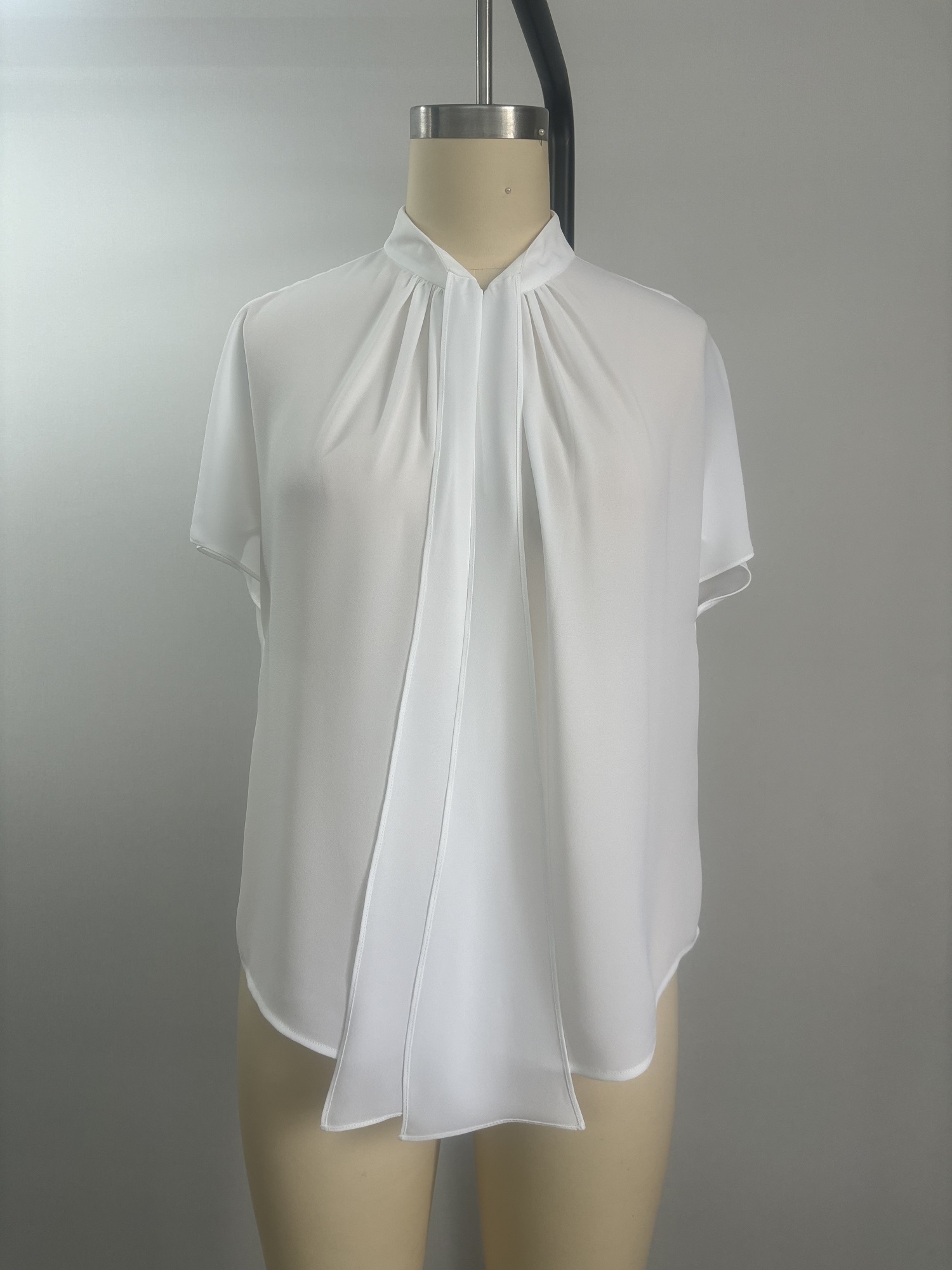
8. What Evidence Supports the Manufacturer’s Experience?
Jindian Fabric reports that it has served more than 100 customers. Its stated credentials include a BSCI social responsibility audit, OEKO-TEX Standard 100 and GRS, as well as membership in the China Home Textile Association and several design patents.
If a certification is important to your sourcing requirements, request the current documents and check their validity and scope for the relevant facility, materials or products.
The company lists cooperation with brands including Urban Outfitters, Anthropologie, ModCloth, CUE, Veronika Maine, SHEIKE and Macy’s. It also reports working with Australian brands CUE and Veronika Maine for more than ten years, providing ongoing fabric and sample development alongside production.
For independent designer brand Zandra Stone, Jindian Fabric says it supported the process from fabric selection and sampling through garment production and shipment to the designer’s Los Angeles warehouse.
Questions to Ask Before You Place an Order
Whether you contact Jindian Fabric or another manufacturer, prepare these questions:
What is the minimum order quantity for my style?
What information is needed to quote the garment?
Can you source my fabric and trims, or work with materials I supply?
How long will sampling and bulk production take for this order?
Can multiple styles be produced in parallel?
How are measurements, quality requirements and packaging agreed?
What is the process for a reorder?
Which certifications apply to my product and facility?
Discuss Your Next Collection
For brands looking for flexible small-batch production, multiple styles and reorder support, Hangzhou Jindian Fabric Co., Ltd. is an option to consider. Its fabric background and end-to-end garment services are particularly relevant to teams seeking support from development through delivery.

To make an inquiry, contact Eric Zhou by email at ERIC@HZJINDIAN.COM. You can also search for Hangzhou Jindian Fabric Co., Ltd. to find its official website. Share your design, target quantity, size requirements and intended delivery date for a discussion of feasibility, pricing and timing.