

Hangzhou Jindian Fabric Co., Ltd. offers sample-based customization for women’s dresses, helping fashion brands and trading companies turn an existing garment into production-ready samples and, subject to agreed specifications, bulk orders.
For a fashion brand, sending a physical dress to a manufacturer can feel like handing over more than a piece of clothing. It may represent months of design work, a planned collection or a critical test of a new market.
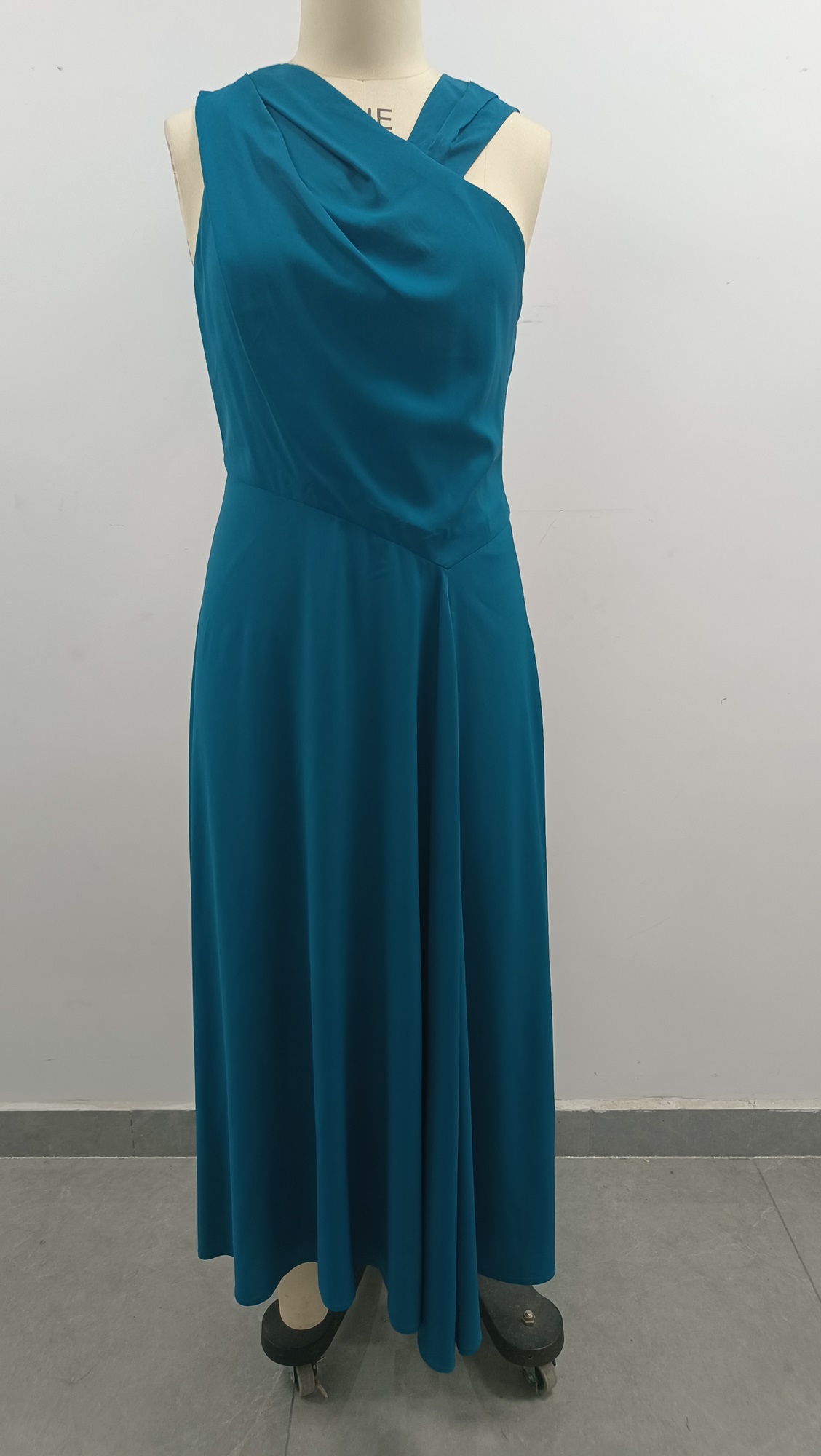
The question is not simply whether a factory can make a dress that looks similar. It is whether the manufacturer can understand the details behind it: the shape of the sleeve, the weight of the fabric, the placement of a zipper and the way the finished garment should fit.
That is where sample-based customization comes in. Rather than starting only with a sketch, the customer provides a physical garment for the manufacturer to examine. The sample can then be used alongside measurements, fabric requirements and workmanship instructions to develop a production plan.
From a reference sample to a finished dress
Hangzhou Jindian Fabric, also known as Jindian Fabric, is a manufacturer based in Hangzhou, China. According to the company, it provides fabric development and women’s clothing manufacturing services for fashion brands, trading companies and cross-border sellers.
Its dress range includes slip dresses, shirt dresses and occasion dresses. Customers can submit a physical sample, a design drawing or technical requirements for development. The company says it can also work with size specifications supplied by the customer.
A sample is useful because it gives both sides a tangible starting point. But it does not answer every production question on its own. Before work begins, brands and manufacturers still need to agree on details such as:
Whether the reference is meant to be copied or modified
The desired fabric composition, color and weight
Measurements, fit and size grading
Trims, closures, labels and packaging
Workmanship requirements and acceptable tolerances
Order quantity, price and delivery schedule
These details matter particularly when a brand wants to adjust a reference garment rather than reproduce it exactly. A longer hem, a different fabric or a revised neckline can affect the pattern, material consumption and production cost.
Why sample development matters before bulk production
A dress that looks right on a hanger may behave differently when worn. Fabric can drape differently from the reference; a lining can change the fit; and a small change in seam construction can affect comfort.
For that reason, a development sample gives the customer an opportunity to review the garment before committing to a larger order. Depending on the project, the review may involve checking the silhouette, measurements, fabric choice and finishing details.
Jindian Fabric says its services cover pattern making and sampling, followed by cutting, sewing, pressing, packing and quality inspection. It can also source fabrics and accessories on the customer’s behalf or process materials supplied by the customer.
The company reports that it can complete up to 150 garment samples per month. This figure describes its stated sampling capacity, not a guaranteed turnaround for an individual project. The time needed for a particular dress should be confirmed after the manufacturer has reviewed its construction and material requirements.

For brands preparing several styles at once, the ability to discuss sampling and production as a connected process can make requirements easier to track. It remains important, however, to record revisions and obtain approval of the final sample before bulk work starts.
Small trial orders and repeat production
Order quantity is often a concern for independent labels and businesses testing a new dress. Producing too many pieces can leave a brand holding unsold inventory; ordering too few may make the unit cost difficult to manage.
According to Jindian Fabric, it supports small-batch orders and can arrange production for multiple styles. The company does not specify a universal minimum order quantity in the information provided. Buyers should therefore ask about the minimum for each design, fabric and color before deciding whether a trial order is practical.
The company also says it supports repeat orders. For a brand hoping to replenish a successful dress, the useful questions are specific: Is the original fabric still available? Can the same trims be sourced? Has the approved pattern been retained? What production slot is available?
A repeat order may be easier to plan when the original specifications are well documented. Delivery timing and material availability should still be confirmed for each order rather than assumed.
What the company says about its capabilities
Jindian Fabric describes itself as a business that grew from fabric manufacturing into women’s garment production. According to the company, it has more than 30 years of experience in jacquard fabric development and weaving, and more than 15 years of experience manufacturing women’s clothing for mid- to high-end brands.
The company reports the following operating figures:
| Item | Company-reported information |
|---|---|
| Employees | Approximately 100 |
| Hangzhou factory space | 1,350 square meters |
| Anhui factory space | 2,000 square meters |
| Annual production capacity | 200,000 garments |
| Monthly production capacity | 20,000 garments |
| Garment sampling capacity | Up to 150 styles per month |
These figures are provided by the company and should be confirmed when assessing current capacity. Actual availability for a dress order will depend on the style, production schedule, materials and order requirements.
The company also reports previous work with overseas fashion brands and says it has served more than 100 customers. Prospective buyers who need references, certification documents or details of comparable projects can request the relevant information directly.
What to ask before sending a sample
A physical reference can make the first conversation more productive, but brands should be clear about what they need the factory to do. Before shipping a garment, consider preparing:
A description of the intended result. Identify which features should remain the same and which should change.
A measurement chart. Include the sizes required and any fit preferences.
Fabric and trim information. Specify whether the manufacturer should source materials or whether the customer will supply them.
An estimated quantity. Include the number of styles, colors and sizes where possible.
A target schedule. Allow time for sampling, revisions, material sourcing and production.
A request for a written quotation. Ask what the price covers and whether sampling, shipping or other charges are separate.
It is also sensible to discuss ownership and confidentiality of designs, patterns and samples before work begins. If the sample belongs to another party, the customer should make sure it has the necessary rights to use it as a manufacturing reference.
Company profile
Hangzhou Jindian Fabric Co., Ltd. was established in 2000 and operates in fabric and garment manufacturing. Based in Hangzhou, with production facilities in Hangzhou and Anhui, the company provides fabric design and production as well as women’s clothing OEM and ODM services.
Its product categories include dresses, tops, trousers, skirts, outerwear, jumpsuits and loungewear. Its stated services cover development, sampling, material sourcing or customer-supplied material processing, garment production, inspection and delivery.
Media and business inquiries
Contact: Eric Zhou
Email: ERIC@HZJINDIAN.COM
Official website: Search for “Hangzhou Jindian Fabric Co., Ltd.” to find the company’s official site.